Multilingual Support Bots: What Breaks When You Translate Prompts Poorly
The Challenge of Multilingual Support
As businesses expand globally, the need for multilingual support has never been more critical. Providing assistance in a customer's preferred language boosts satisfaction and cuts down on frustration. But what happens when the translations are misguided or poorly executed?
Miscommunication in Translations
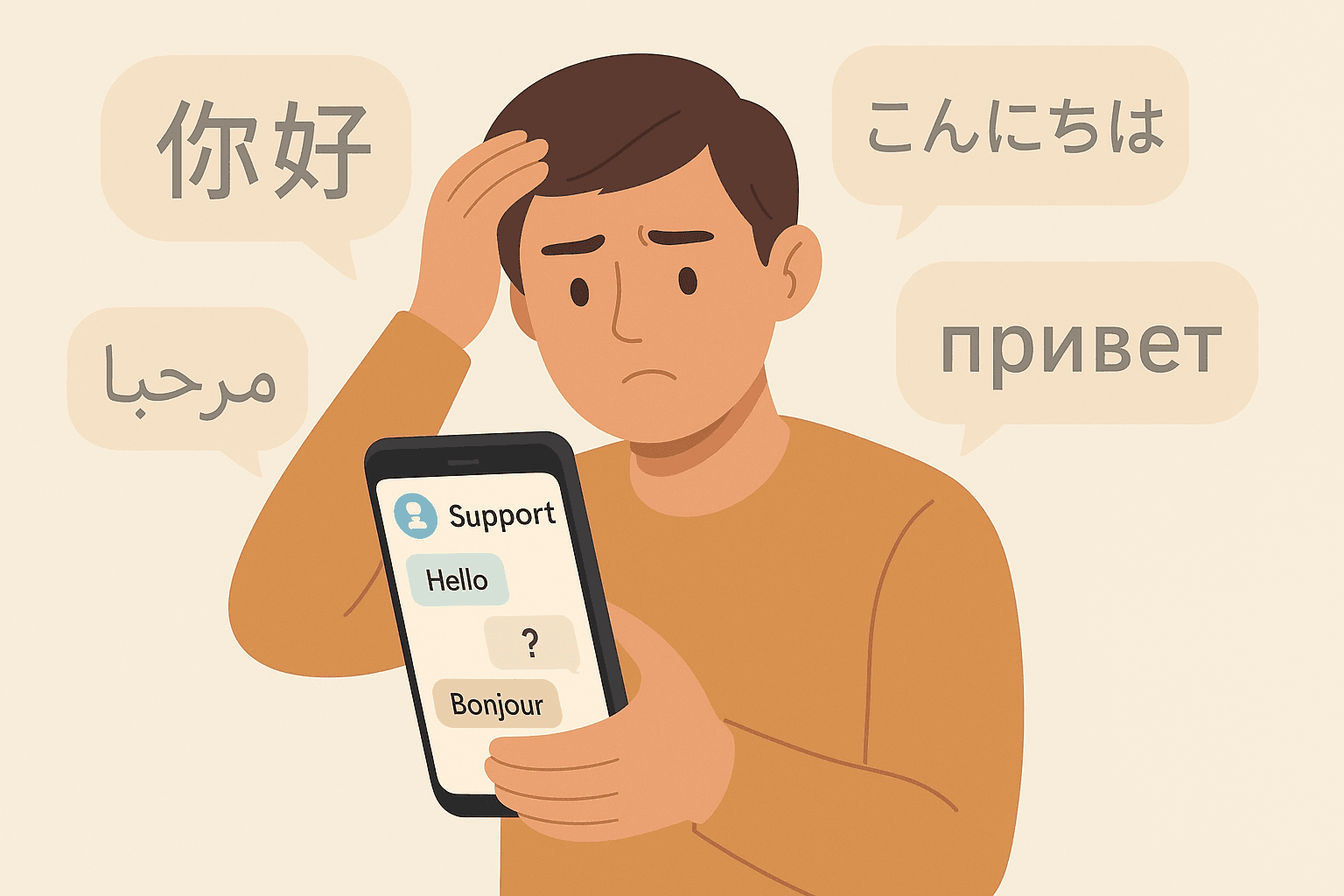
One common issue arises when an AI assistant receives poorly translated prompts. Instead of communicating effectively, it may generate accurate of its responses, leaving customers confused about how to proceed.
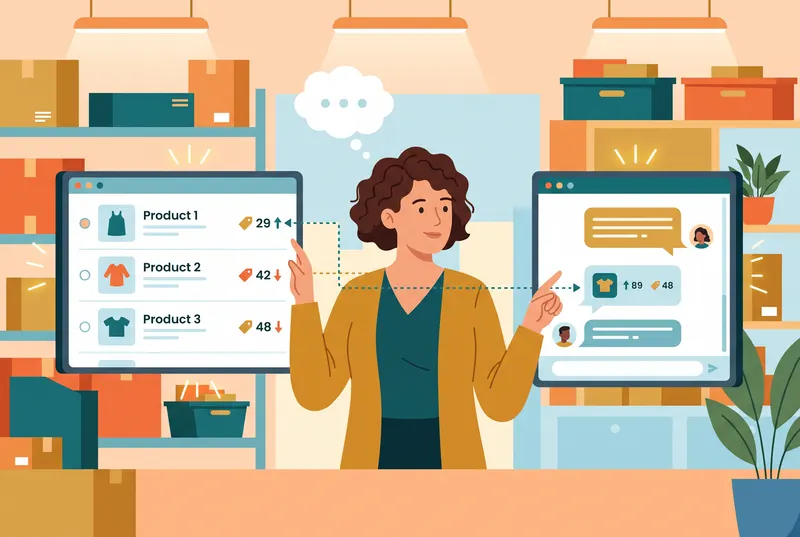
For instance, say you operate an e-commerce site and have created a flow in English that directs users to resource links based on their inquiries about product features. If the prompts are translated incorrectly into another language, your customers might receive irrelevant information.
In that case, instead of getting clear guidance, they are left feeling lost. The result? Potential customers might abandon their carts or seek help elsewhere, negatively impacting your conversion rates.
Owni's Language Flexibility
Owni offers significant advantages in this arena. Rather than attempting to guess user inquiries through a poorly translated flow, the AI assistant responds in the exact language the visitor uses. This means that if a French user asks about a product, they’ll see responses relevant to their specific inquiry without the risk of meaning getting lost in translation.
However, to ensure this quality of service, your knowledge base must be diligently maintained. When prompts and FAQs are accurate, and translations reflect the original meaning, it enhances the user experience. If the original text is unclear or the information ambiguous, the results will still fall short.
The Human Element in Help
While AI can cover a significant portion of inquiries, certain complex customer concerns require human interaction. In a hybrid mode available with Owni, the AI can handle initial queries and then seamlessly hand off to a human agent if the customer's needs exceed its capabilities. But what happens when a poorly translated AI response triggers a human intervention? Miscommunication becomes a risk
Imagine a customer interpreting an AI response to mean one thing, while a support agent interprets it entirely differently due to translation errors. This can lead to back-and-forth confusion that frustrates the very customers you're trying to assist. Hence, how your AI communicates relies heavily on the clarity of your knowledge base content in each supported language.
Quality Control is Key
Maintaining a high standard of translations in your knowledge base is crucial. Thanks to Owni's logging and review features, any inaccuracies can be quickly identified and rectified. Each AI response is logged, allowing for oversight on how users interact with the information. Doing regular audits of these logs can highlight potential translation issues before they escalate into bigger problems.
Takeaway
Successfully navigating multilingual customer support hinges on clear, well-translated prompts and FAQ entries. By leveraging Owni’s capabilities, businesses can significantly reduce miscommunication risks and improve customer interactions across various languages.